Behind the song · biomed · monitoring · night-shift
We Keep the Lights On and Guard Every Vital Signal
High-octane Eurodance captures the unseen technical vigilance that keeps hospital telemetry and critical care running through the darkest night hours.
In short
- Overnight biomedical coverage protects critical care monitoring when emergency clinical interventions peak.
- Routine technical verification of lead wires and patient telemetry prevents dangerous diagnostic signal degradation.
- The track uses driving Eurodance rhythms to honor technicians maintaining hospital infrastructure while patients sleep.
In the silent corridors of acute care facilities, clinical operations never truly power down. While inpatient wards transition into quiet hours, biomedical equipment technicians shoulder the continuous burden of maintaining complex physiological monitoring networks, backup emergency power circuits, and life-support interfaces. The physical environment depends on stable power supplies and clean signal paths, where a single broken lead wire or an uncalibrated optical sensor could delay critical clinical decisions. Technicians walking the dark corridors ensure that every piece of electronic monitoring hardware operates within strict safety parameters long before rounds begin.
Where the song came from
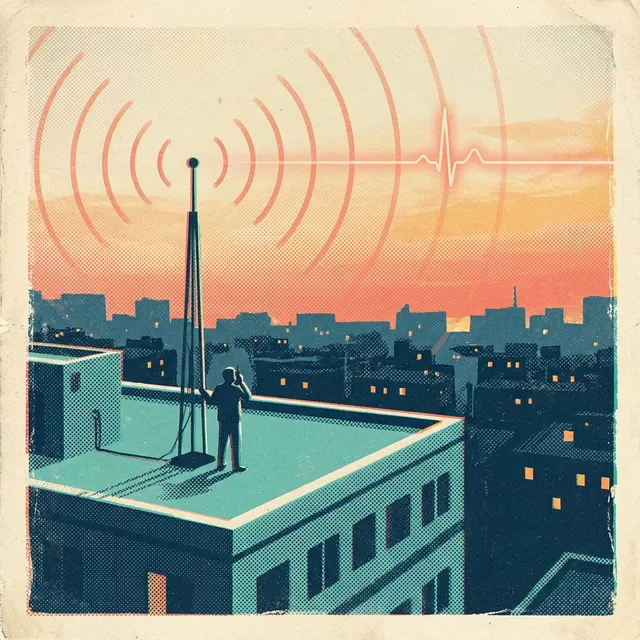
The idea behind the song grew out of the shared experience of graveyard-shift maintenance. When clinical units quiet down, biomed shops tackle deep diagnostic testing, depot repairs, and routine electrical safety audits that cannot disrupt daytime procedures. The writing focuses on how physiological monitors and internal hospital electronics act as an artificial heartbeat, mirroring the physiology of the patients connected to them. That vital intersection between human life and technical precision inspired an anthemic dance anthem built on rapid electronic pulses and soaring melodies.
Quiet hands are working, making sure it's rightEvery single wire, every single lightYou might never see us, but we're standing hereMaking sure the signal stays crystal clear
Maintaining clinical signal integrity demands rigorous attention to physical hardware. Routine electrical safety testing evaluates chassis leakage current, ground integrity, and circuit continuity across patient-connected devices to avoid microscopic electrical faults. TechNation and AAMI documentation regularly highlight how scheduled preventative maintenance identifies hairline fractures in lead wires and worn shielding before artifact corrupts an intensive care monitor. By verifying signal fidelity at 3 a.m., technicians safeguard clinical data so physicians see actionable physiological information the moment they step into the room.
Precision under the depot bench light
The track honors the technical craft that bridges the basement workshop with the intensive care unit. Calibrating pressure transducers, inspecting internal battery chemistries, and running automated analyzer sequences are exact sciences requiring deep focus. When equipment returns from isolated critical care areas, technicians must methodically diagnose obscure faults, replace exhausted components, and document each step for regulatory compliance. That quiet persistence ensures that when morning comes, the clinical staff can trust every device without hesitation.