Behind the song · on-call · networking · troubleshooting
Send the Signal and the Real Network Behind Its Midnight Rescue
An 80s-inspired synth-pop track about a scanner stuck at midnight is built around a real habit: reaching a peer network when the manual runs out of pages.
In short
- The song's midnight rescue mirrors a real peer network: technicians have traded stuck problems through MedWrench since 2009.
- More than half of HTM professionals — 56% in a recent workforce survey — regularly work on-call, making late-night troubleshooting closer to routine than rare.
- The arrangement's isolation-to-connection arc, from a solitary synth intro to a full chorus, mirrors the story the lyrics tell.
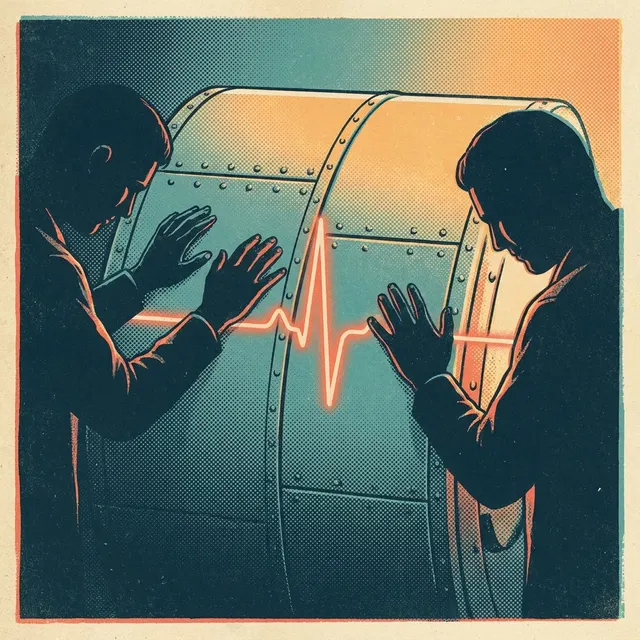
The scenario in "Send the Signal" is almost mundane by biomed standards: a scanner is down, the manual doesn't cover it, and it's the middle of the night. What the song is actually interested in is what happens next — someone, somewhere else, is awake and has seen this exact problem before.
Where the song came from
The idea behind the song is that a technician working alone at night is rarely actually alone. "Send the Signal" is built around the moment a stuck problem gets described and answered by a stranger with the same job in a different building. That is the inspiration stated plainly in the song's own bridge: a network that pulls people through when nobody nearby has the answer yet.
No one works in the dark tonightSend the signal, share the light
A network that already exists
That network is not just a lyric. Technicians have run exactly this kind of peer-to-peer troubleshooting exchange since 2009 through MedWrench, a free forum founded by MD Publishing and LabX, where a technician can post a stuck problem for the wider field to answer. It matters because working alone at odd hours is closer to the norm than the exception in this field: 56% of HTM professionals, per a recent industry workforce survey, regularly work on-call, meaning the late-night version of this scene plays out often, not rarely, for a majority of the people this song was written for.
A thousand miles of cable, but we're standing side by sideEvery diagnostic challenge met with professional pride
What to listen for
The production leans into that isolation-then-connection arc on purpose: an arpeggiated synth intro that feels solitary, opening into a driving, layered chorus once the signal goes out to the wider network. The gated drums and synth bass owe an open debt to the analog sound of 1980s pop, a genre built for exactly this kind of hopeful, wide-open urgency.
None of that turns a slow night at the bench into something glamorous. But it explains why the song insists, more than once, that no one works in the dark tonight. For a workforce where the phone by the bed is closer to a guarantee than a possibility, that line reads less like comfort and more like a fact restated as a promise.
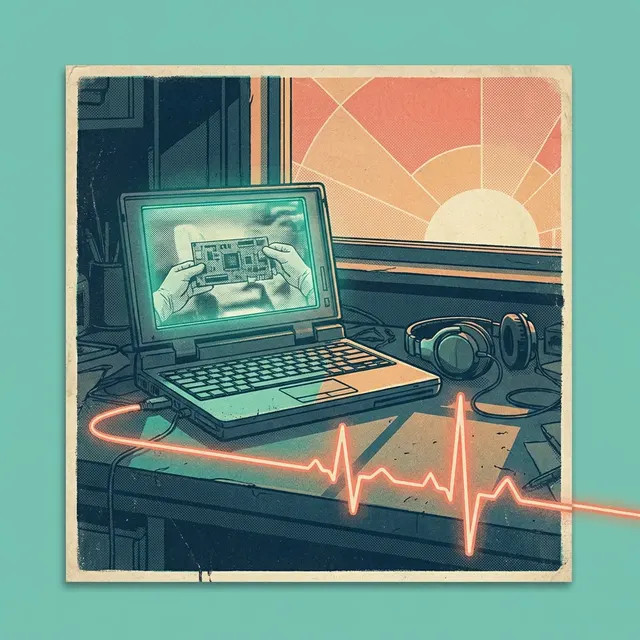
It also explains the choice of genre. Synth-driven 1980s pop carries a built-in nostalgia for exactly this kind of solitary, screen-lit scene — a single operator, a glowing display, a signal going out into the dark hoping something answers back. "Send the Signal" borrows that mood on purpose, then resolves it the way the real network usually does: somebody answers, and the isolated verse becomes a shared chorus.