Behind the song · cybersecurity · ransomware · emergency-preparedness
Why Screens Go Black, Pens Come Out Is a Song About a Drill Nobody Liked
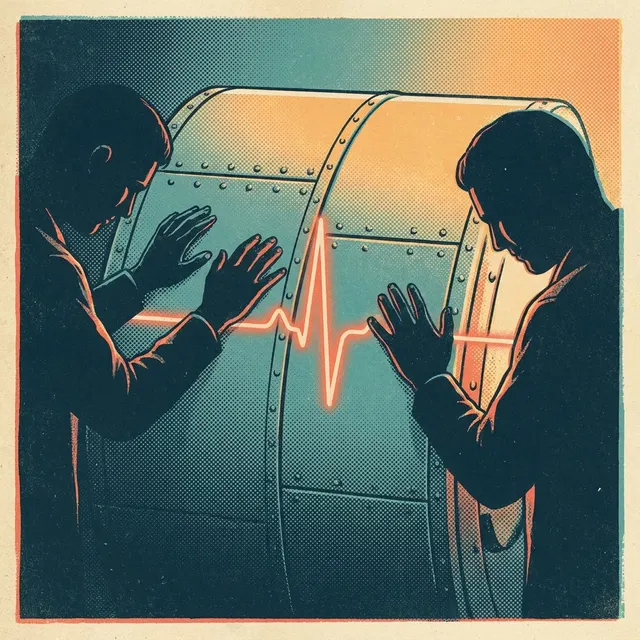
It's built around the hospital downtime drill everyone complained about, and the night that drill is the only thing standing between a hospital and chaos.
In short
- 'Digital darkness,' a total loss of electronic systems, ranks No. 2 on the 2026 Top 10 Health Technology Hazards list.
- Healthcare accounts for 17% of all ransomware attacks across industries.
- Hospitals are required to drill running patient care entirely offline, on paper, and to do it periodically.
There's a specific kind of alarm behind Screens Go Black, Pens Come Out: not a machine failing, but every screen in a hospital locking at once, a note demanding payment before anything unlocks again. The power stays on. The lights stay on. The network doesn't.
Where the song came from
The song is built around a hazard with an official name: 'digital darkness,' a sudden, total loss of electronic systems and patient records rather than a power failure. It ranks No. 2 on the 2026 Top 10 Health Technology Hazards list published by ECRI. A ransomware attack can trigger it directly, and healthcare already absorbs an outsized share of that kind of attack: healthcare accounts for 17% of all ransomware attacks across industries, and a single attack can divert ambulances, cancel appointments and shut a facility down while it works to restore access.
The song's answer to that hazard is the pen. Hospital incident-response plans are required to include a way to run patient care entirely offline, without the electronic record or any networked device, which in practice means going back to paper: vitals captured by hand, orders written on a clipboard. Hospitals have to drill that offline procedure periodically, which is exactly the drill the second verse complains about, the one nobody liked until the night it mattered. Vitals-by-hand charting is the same manual workflow that returns whenever integrated devices go dark, a failure mode the field thought it had left behind decades ago. Practicing it in daylight, on a slow Tuesday with nothing at stake, is what makes it usable on the night everything is.
That's also why paper is the fallback and not some nostalgia act: paper cannot be held for ransom. It cannot be encrypted, locked behind a payment demand, or taken offline by an attack on a vendor's servers somewhere else entirely. It is slower and less convenient than an electronic record, but on the night the network goes dark, slower and less convenient still works while almost nothing else does.
They call it digital darkness, number two on the listSeventeen percent of ransom hits come after healthcareScreens go black! (Pens come out!)A pen don't need a password to start
Why it matters
The song doesn't dramatize the attack itself. It dramatizes the boring, unglamorous preparation for it: the drill that gets grumbled through in daylight so a floor can keep functioning in the dark. A ransomware attack does more than freeze a billing system. It can turn a single attack on one facility into a regional capacity problem, cancelling procedures and rerouting ambulances elsewhere. That's the joke in 'nobody's hating now,' and it's also the point: readiness that looks like busywork until the night it isn't. Nobody claps for a drill. They just quietly stop complaining about it the first time it works.
Sources
- Misuse of AI Chatbots Tops Annual List of Health Technology Hazards, ECRI
- Increase in Ransomware Attacks to Healthcare's Vulnerable Remote Access Systems Threatens Patients, ECRI
- Healthcare Cybersecurity Statistics 2026 Report, Ordr
- What You Need to Know About Medical Device Interoperability, 24x7 Magazine