Behind the song · cybersecurity · medical-devices · hospital-it
Patch Between Patients Is Built Around the Fix You Can't Just Reboot
The song turns a real scheduling problem, security patches that have to wait for an empty bed, into a night-shift heist story.
In short
- Patching a medical device can take it offline, so fixes get scheduled around patient care, not around an IT calendar.
- An estimated 99% of hospitals manage at least one device carrying a known, exploited vulnerability.
- Aging equipment that can't take modern security patches now ranks among the field's top named hazards.
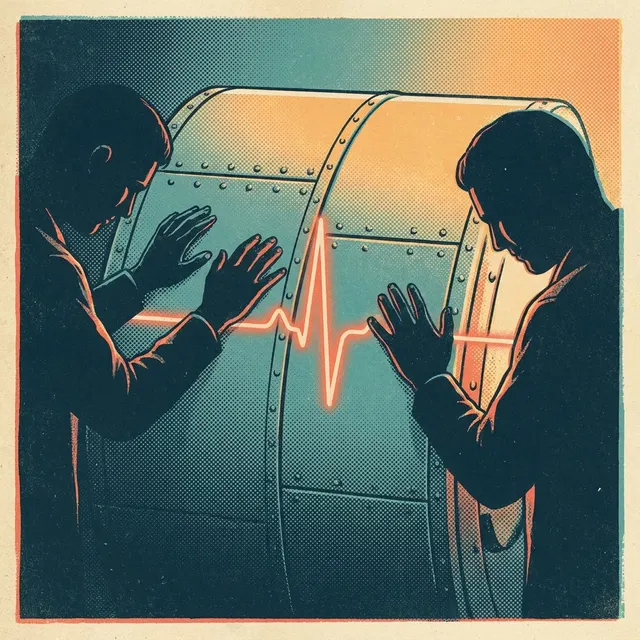
A laptop can reboot itself in the middle of an email. A bedside monitor can't, because somewhere on the other end of its cable is a patient whose heart rhythm is streaming to a nurses' station in real time. Patch Between Patients is built around that one difference, and around the person whose job is to work inside it, all night, without anyone on the floor noticing.
Where the song came from
The idea starts with an ordinary fact of hospital technology management: patching a medical device can mean taking it offline, so security updates have to be synchronized with patient care and scheduled into maintenance windows instead of an IT department's calendar. In the song, that scheduling problem becomes a heist-movie setup: a technician working a fix into the one window when a bed is briefly empty. The tension is dramatized, but the routine underneath it is not. Patch windows get built around empty beds, not empty inboxes.
The second verse leans on a harder number. An estimated 99% of hospitals manage at least one device carrying a known, already-exploited vulnerability, according to a 2026 healthcare cybersecurity statistics report. That is not a hypothetical hole in the code; it is inventory that hospital technology management departments already track. Aging equipment makes the problem worse. Legacy device cyber-risk was ranked the No. 8 hazard on the 2026 Top 10 Health Technology Hazards list published by ECRI, because many older machines simply cannot take a modern security patch. That is the song's 'old box in the corner, too old to take the fix,' a real category of equipment rather than a lyrical stretch.
The line about an 'ingredient list' points to something specific too. A device-security standard has manufacturers and hospital technology management teams track every piece of software inside a device, so when a new exploit surfaces, a team can check its own inventory instead of guessing which machines are exposed. Treating a bedside monitor 'like a server on the line,' as the bridge puts it, matches how a recognized security risk-management standard now folds cybersecurity into the same risk process hospitals already use for patient safety, rather than leaving it to a separate department entirely.
Can't reboot it! (Somebody's on it!)Can't shut it down! (Somebody's on it!)Hole in the code and the whole world knows itPatch between patients, I'm already on it
Why it matters
None of this happens on a stage or in a headline. It happens in a cold office at midnight, in the gap between one patient leaving a bed and the next one arriving, and it rarely gets acknowledged outside the department that does it. The song doesn't ask listeners to feel sorry for that work. It asks them to notice it exists, and to understand what 'somebody's on it' actually means at three in the morning: a queue of known holes, a list of beds, and one person deciding which one closes first.