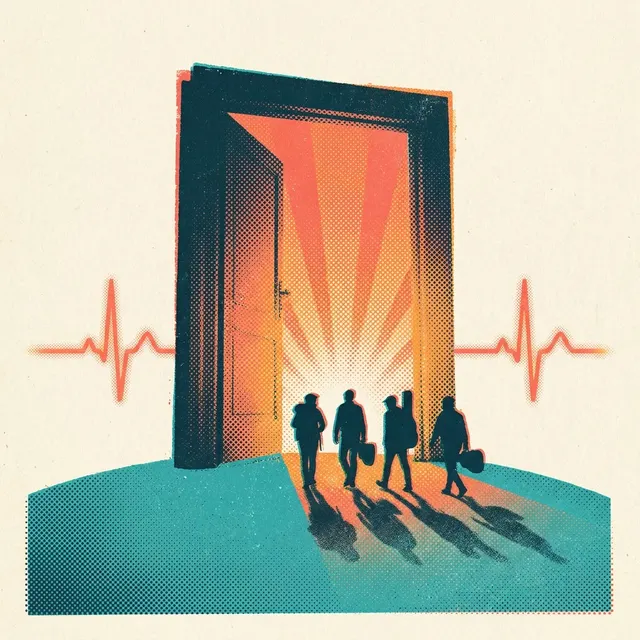
Liner notes · liner-notes · dance-electronic · vocal-production
Liner Notes: The Verse 'The Future Starts Now' Only Sings Once
Same driving synth-pop chant, but this take opens on a lab-bench verse the other take doesn't carry.
In short
- The track is built on driving synth pulses and group vocal chants, aimed squarely at a training-anthem energy.
- This take opens on a distinct lab-bench verse, safety glasses and a notebook of plans, that the other take doesn't include.
- Both takes share the same anthemic chorus, "the future starts now," repeated as the track's central chant.
"The Future Starts Now" is built for momentum: driving synth pulses under enthusiastic, layered vocals, with the chorus designed as a group chant rather than a solo hook.
What this take does differently
The other take launches almost straight into the chorus's training-anthem energy. This take opens on its own distinct verse first, a quieter, more specific scene of a lab bench and safety glasses, before building up to the same chorus. It gives this version a grounded, hands-on opening the other take moves past.
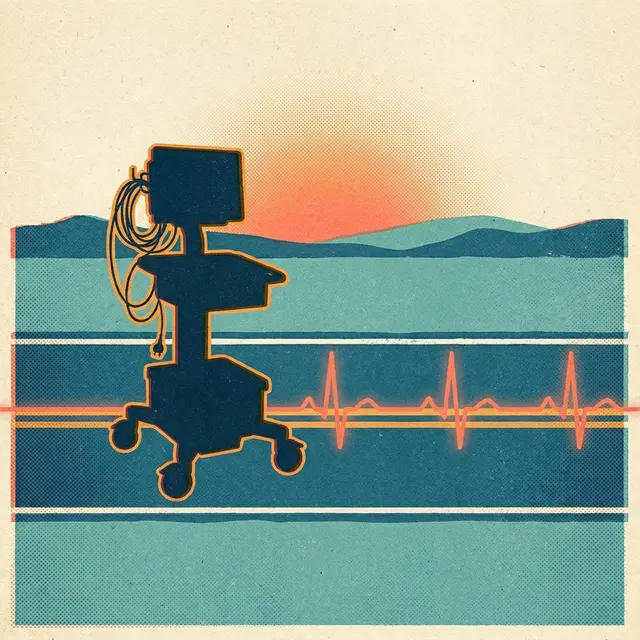
We take apart the questions nobody can seeA circuit on the lab bench, a pulse of possibility
What to listen for
Listen for how that opening verse stays close to a single image, safety glasses, a notebook full of plans, before the track opens into the wider group chant of "the future starts now." The synth pulse builds steadily under both versions, but this take earns its drop with a specific scene first instead of leading with the anthem.
The mixed male-and-female vocal pairing carries both takes the same way, one voice picking up where the other leaves off rather than singing in unison for long stretches, which keeps the energy moving forward instead of settling into a single register. Where the two takes really diverge is pacing into that first hook: the other take gets there almost immediately, while this one takes the scenic route through the lab bench first, a small structural choice that changes how earned the first chorus feels once it finally arrives.
Both versions share the same anthemic group-chant chorus and the same driving tempo underneath, so neither take ever really slows down long enough to feel like a ballad. The difference is entirely in the runway: one take treats the chorus as the destination from the first bar, while this one insists on showing the work, the lab bench, the safety glasses, the notebook, before it lets the destination arrive.