Behind the song · on-call · networks · hospital technology
Midnight Call Sets a Whole Anthem at 12:07 a.m.
The synth-pop track follows a technician paged out of a quiet evening into a hospital system crisis, built around the reality that networked hospital equipment never really clocks out.
In short
- The song follows one technician's overnight response to a hospital system failure, from the page to the fix.
- Its imagery of logs, traces and a "crew from every station" reflects how networked equipment failures actually get chased down.
- Round-the-clock, reachable-by-pager dispatch is a real structure large hospital technology departments run on, not just a dramatic device.
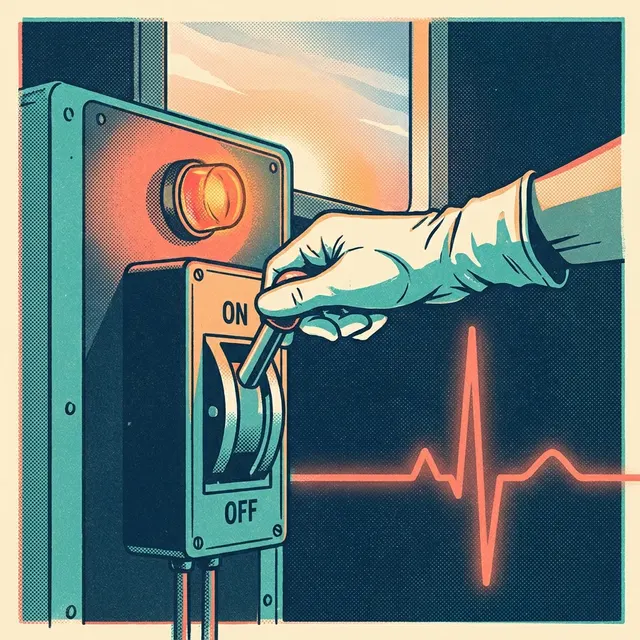
"Midnight Call" opens on a specific minute, 12:07, the moment a page cuts through an ordinary evening: coat half on, coffee left on the desk, a note scrawled for whoever finds it. The song stays inside that one shift, tracing a fault through logs and traces until, hours later, the screens clear.
Where the song came from
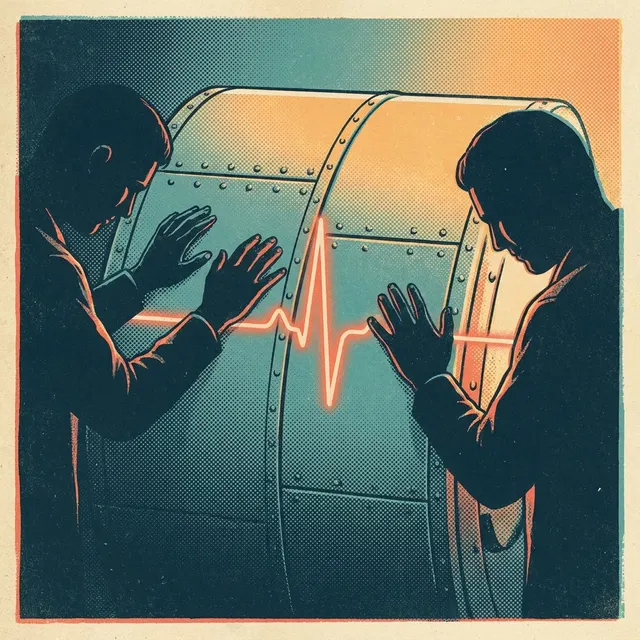
The idea is built around a fact of modern hospital technology that doesn't get sung about often: it doesn't just live on a bench, it lives on a network, and a network problem doesn't wait for daylight. The song's imagery, red lines blinking, codes running blue, a room full of monitors gone quiet, describes the moment a facility's connected systems stop behaving, and someone has to be reachable enough, and fast enough, to find out why. That's a distinct kind of pressure from a single broken device: one fault on a shared system can ripple across an entire floor at once.
I read the logs, I checked the tracesFound the fault beneath the noiseCalled the crew from every stationAnd bring your hands and bring your voice
That verse is the real center of the song: not a lone hero's fix, but a page that turns into a phone tree, a crew assembling station by station until the problem is cornered.
Always reachable, on purpose
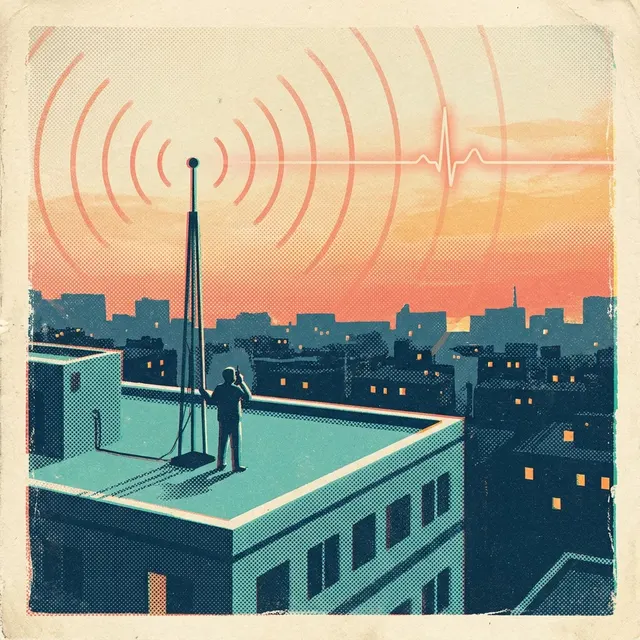
The always-on premise isn't exaggerated for drama. Large hospital technology departments run their device fleets, in some cases tens of thousands of pieces of equipment, through round-the-clock dispatch: computers, pagers, phones and radios, built specifically so a technician can be found and routed to a failure at any hour. "Midnight Call" compresses that infrastructure into one relatable night, but the underlying arrangement, someone always on call, a system built to summon them, is how hospitals actually keep networked equipment covered after the day shift goes home.
The song's final image, walking out changed as the sun comes up, is less about triumph than about routine: "another night, another dawn." That's the note it wants to land on, that this kind of call is not a once-in-a-career emergency but a shape the job regularly takes.
The track's choice of genre backs up the same idea. Its synth-pop pulse doesn't slow down for the verses the way a ballad might; it keeps the same driving tempo from the first alarm through the last green signal, which mirrors how a real overnight response actually feels from the inside, less a rising-and-falling story arc than one sustained stretch of focused, adrenaline-flattened work that only resolves once the last check clears. Even the credited helper, Maya, gets only a line, because the song is more interested in the shape of the response than in any one name inside it.
Sources
- A Day in the Life: University of Maryland Medical Center, 24x7 Magazine