Behind the song · logistics · field-service · infusion-pumps
Rushing Emergency Gear Across State Lines in Loaner Box Rodeo
When clinical units break down on Friday afternoon, biomedical depot crews mobilize transport cases to rescue regional patient care.
In short
- Friday afternoon failure spikes demand rapid deployment of certified loaner pools.
- Standardized transit packing protects delicate telemetry units during courier transport.
- cue depot staging ensures uninterrupted clinical operation across multi-state regions.
Friday afternoon at two o'clock is widely recognized across hospital operations as the hour when dormant logistical emergencies suddenly erupt. Nursing departments finalize weekend staffing rosters, floor censuses climb, and unexpected hardware failures leave critical wards shorthanded. When multi-parameter monitors develop telemetry connectivity dropouts or infusion pumps flag mechanical occlusion errors, clinical engineering departments cannot afford week-long repair downtimes. They turn immediately to equipment depots and independent support organizations that maintain certified emergency loaner fleets ready to deploy at a moment's notice to stabilize intensive care units.
Where the song came from
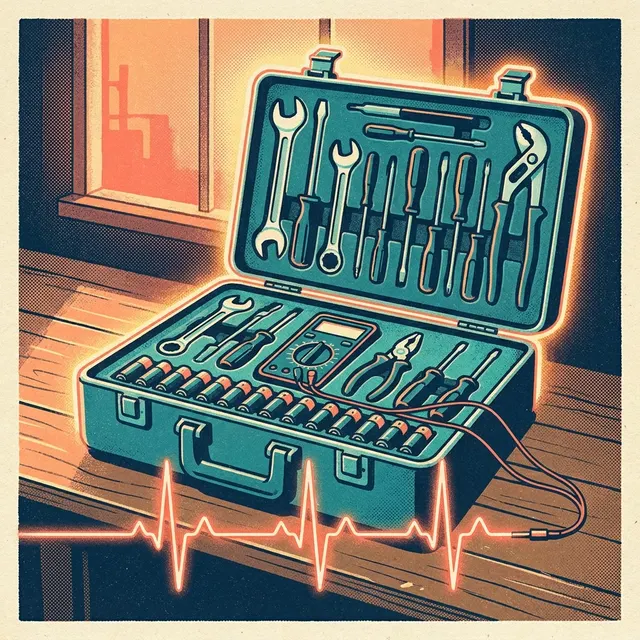
The inspiration for Loaner Box Rodeo comes directly from the frantic packing dock hustle that occurs when regional emergency dispatch calls hit all at once. Independent service depots operate like high-speed staging rings, pulling shockproof transport cases from tall warehouse shelving, conducting electrical parameter checks, and printing calibration stickers before courier vans leave for regional airports. The song frames this high-pressure supply-chain scramble through the lens of a raucous arena event, where technicians wrangle heavy transit cases like bucking broncos to keep patient monitors flowing to critical facilities.
2 o 'clock on Friday and the phones begin to ringEvery hospital in three states needing something we can bringNashville needs 10 Baxter pumps, Memphis needs a screenLittle Rock is crying for a telemetry machine.
The narrative follows a team managing sudden equipment shortages across multiple metropolitan hospital hubs, shipping infusion devices to Nashville, specialty display monitors to Memphis, and wireless telemetry transmitters to Little Rock. Every device pulled from the staging racks must be wiped, tested on quick-turn functional test rigs, sealed into rugged cases, and manifested for cargo delivery before regional transit windows snap shut for the weekend.
Maintaining the clinical supply chain
The work done on depot shipping docks is just as crucial to patient safety as on-site clinical troubleshooting. Without verified loaner fleets, surgical departments face cancelled elective cases and emergency departments must divert ambulances due to monitor shortages. By combining rigorous safety verification with cue courier logistics, independent biomedical technicians bridge the gap between unexpected equipment breakdowns and successful patient interventions across entire healthcare networks.