Behind the song · ghana · global-biomed · training
Restoring Life on the Coast: The Enduring Legacy of Clement Appiah
Celebrating the pioneering Ghanaian biomedical engineer who turned discarded clinical machines into lifesaving hospital care.
In short
- International equipment donations often sit abandoned in regional facilities due to absent replacement components and training.
- Ghanaian engineer Clement Appiah spent decades traveling rural districts to repair vital neonatal incubators and diagnostic monitors.
- The track champions indigenous clinical engineering skills and self-reliance across developing healthcare environments.
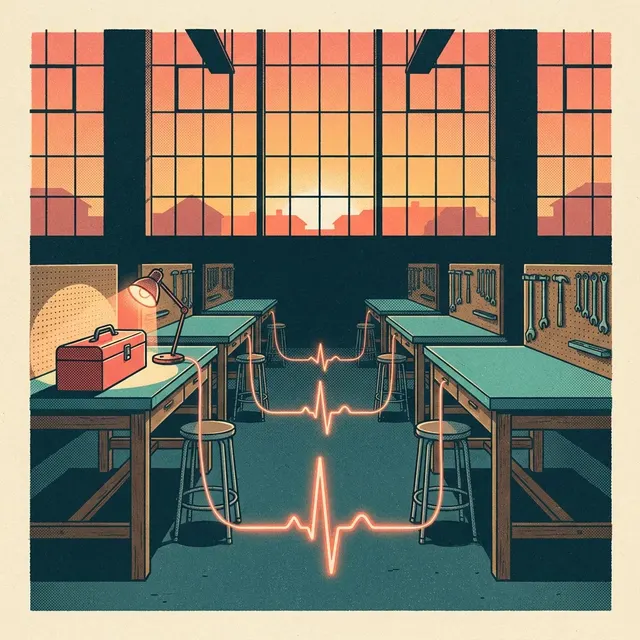
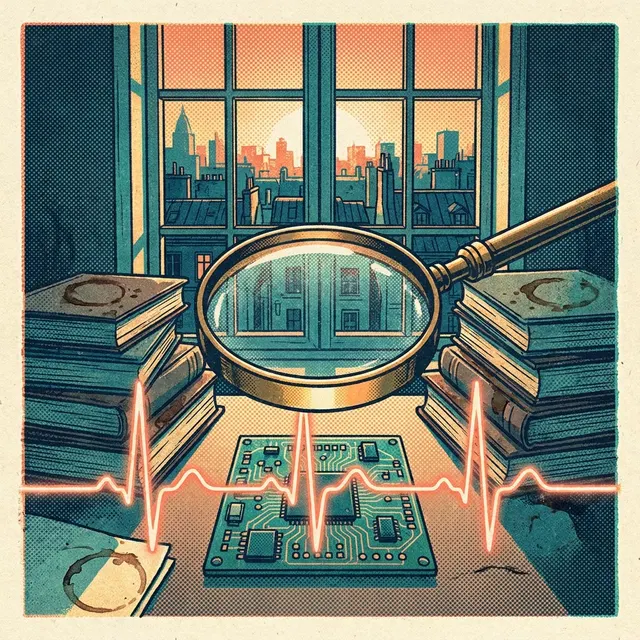
Across many developing health systems, international charity programs frequently ship surplus medical equipment to rural facilities with good intentions. Unfortunately, without reliable spare parts channels, local training programs, or appropriate service documentation, these complex tools frequently end up abandoned in so-called equipment graveyards. Infant warmers, anesthesia workstations, and patient monitors can gather dust simply because an internal capacitor blew or a power cable frayed. In West Africa, addressing this systemic gap demanded homegrown engineering talent capable of diagnosing complicated electronics using fundamental principles, creative sourcing, and deep clinical empathy.
Where the song came from
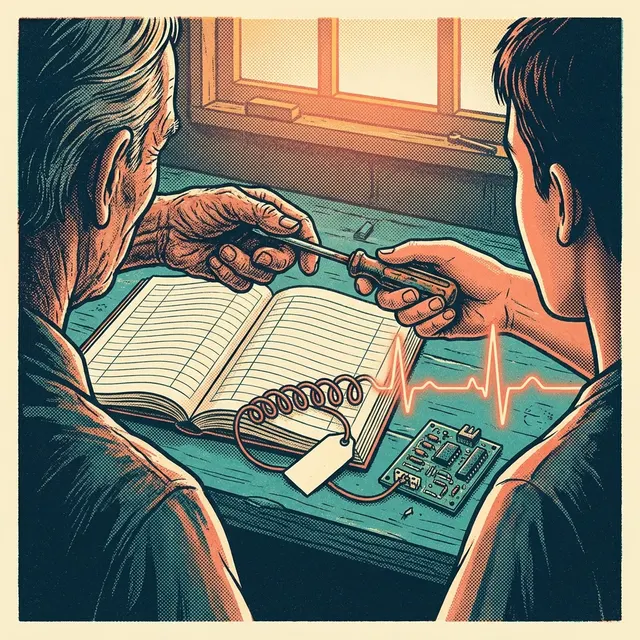
The song is built around the real-life work of Ghanaian biomedical engineering pioneer Clement Appiah. Traveling from coastal clinics up to regional centers in Tamale and beyond, Appiah earned a reputation as a compassionate troubleshooter who refused to write off broken apparatus. Packing bags of basic handheld instruments, soldering irons, and universal components, he boarded humanitarian vessels like Mercy Ships and traversed backcountry roads to restore dead incubators. More importantly, he established foundational workshops to train local youths, cultivating an independent generation of technical specialists.
Clinical engineers worldwide increasingly recognize that self-reliance is the bedrock of healthcare resilience. When rural hospitals rely solely on overseas technical representatives, minor component malfunctions can put diagnostic wards out of commission for months at a time. Professional organizations and initiatives like Global Clinical Engineering Day emphasize the essential role local technicians play in establishing sustainable equipment maintenance programs. Appiah championed the belief that developing nations possess the intellectual capital to maintain their own clinical fleets if given proper training and mentorship.
A praise song for healthcare self-reliance
The joyful highlife rhythm of the track mirrors the celebratory spirit of African praise songs, transforming technical competence into communal pride. The lyrics highlight the palpable joy of hearing a repaired neonatal incubator warm a newborn infant safely in a provincial ward. By placing biomedical craftsmanship at the center of community wellness, the song reminds listeners that sustainable public health is built by practical, hardworking engineers who view every broken circuit board as a life waiting to be saved.
Sources & references
- Global Clinical Engineering Day, IFMBE
- Biomedical Technician Training, Elite Biomedical Solutions
- Acceptance Testing of Medical Equipment, Exalogics Biomed