Behind the song · stem-outreach · kids · careers
Grow Up Just Like My Hero: The Classroom Moment That Starts It
A kids' anthem about wanting to become a hospital technician, built on real outreach that hands students a monitor to try themselves.
In short
- The song imagines a child watching a hospital technician's rounds and deciding to follow the same path.
- Real outreach programs bring working technicians into classrooms with actual patient monitors and defibrillator analyzers.
- A free, pre-built outreach kit lets any technician walk into a classroom and explain the job with no special preparation.
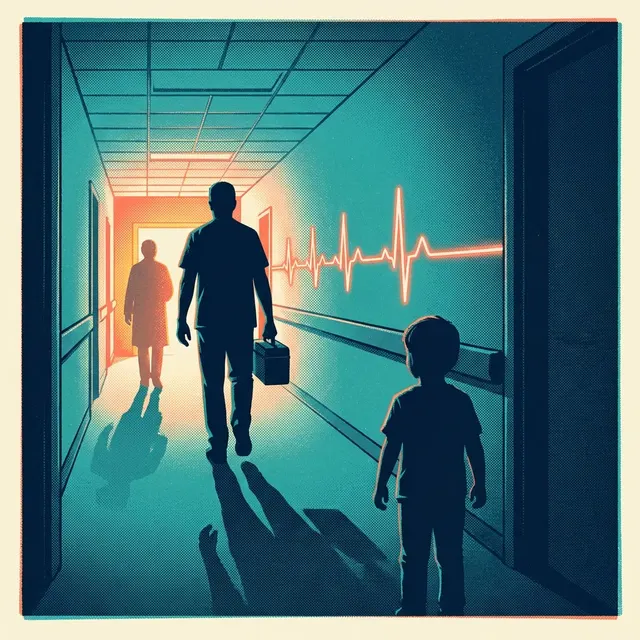
"Grow Up Just Like My Hero" is written for a younger listener than most of the station's catalog, a child watching a hospital hallway at night and imagining themselves in it someday. It's less a career pitch than a bedtime-story version of one, built around a single hero figure carrying a case of tools quietly down the hall.
Where the song came from
The idea is built around the spark moment: the instant a kid first sees this job up close and decides it's worth wanting. That moment is not hypothetical. Outreach efforts bring working technicians into classrooms and school gyms with real patient monitors and defibrillator analyzers so students can check their own heart rate and oxygen level firsthand, and organizers describe it as exactly the kind of encounter that lights a career spark.
There's a hero walking down the hallWith a case of tools and a careful call
Making that spark easy to hand out
That kind of visit doesn't require a big program behind it, either. A free, pre-built outreach kit exists specifically so any working technician can walk into a classroom with no special preparation and explain what the job actually is, using age-tiered scripts built for exactly this purpose. The song's small, hopeful hero is closer to a real, replicable school visit than an exaggerated character.
Checking every screen, every wire, every signKeeping hope alive, one repair at a time
That's the inspiration in plain terms: not a rescue story, but a child watching ordinary, careful work and wanting to learn it. The song ends with the kid still imagining, not yet doing, because that's the exact moment a classroom visit is built to create.
Why the field bothers to visit classrooms at all
That kind of early spark matters a great deal more than it might first seem, because the field is short on exactly the people a song like this is trying to inspire. Roughly 400 new biomedical equipment technicians graduate nationally each year, against a need for thousands more, including an estimated 8,800 additional repairers by 2033. Against a gap that size, a single classroom visit and a free outreach kit anyone can request are small tools, but they're aimed at the only point in the pipeline where interest actually starts: a kid deciding, the way this song's narrator does, that the quiet work in the hallway is worth wanting, years before they'd ever sit an exam or fill out an application.
The song is careful never to promise the child will save anyone directly, either. It keeps the ambition modest and specific, learning to check a screen, a wire, a sign, which matches how the field actually describes the job to a classroom: not as heroics, but as a plain craft that anyone curious enough can learn, one careful habit at a time, long before any certification is ever on the table.
Sources
- Discovering the HTM Career Path: California Students Learn From Local Pros, AAMI
- HTM in a Box, AAMI
- Biomed Tech Shortage: How It Impacts Hospitals, Elite Biomedical Solutions